Viewing a property: the 10 points to check
Marc A. · Published on 6/29/2026

A property listing shows what the seller chose to show: the living room in mid-afternoon sun, a tidy kitchen, a tightly framed balcony. A well-run viewing reveals the rest — the damp patch behind the wardrobe, the Tuesday-morning noise, the service charges that quietly add 180 € a month to the real cost. In thirty minutes on site you gather more reliable information than in two weeks of messaging, provided you arrive with a method.
This guide walks through the checkpoints professionals verify every single time, the questions to ask the owner, and the warning signs that should make you walk away. Whether you are after a studio, a family house or a room in a flatshare among the property listings, the same checklist applies.
Prepare the viewing before you leave home
A successful viewing starts at your desk. Reread the listing and note everything that stays vague: "close to amenities", "recently renovated", "reasonable charges" are phrases to pin down. Check the exact address on a map: the real distance to transport, a bar or a busy road under the windows. Write down ten questions — without a written list, you will forget half of them once inside.
Bring what you need to measure and document: a tape measure, a charged phone for photos (ask permission first), and a charger to test the sockets. Allow 30 to 45 minutes: a seller who rushes you through in 10 minutes often has something they would rather not show.
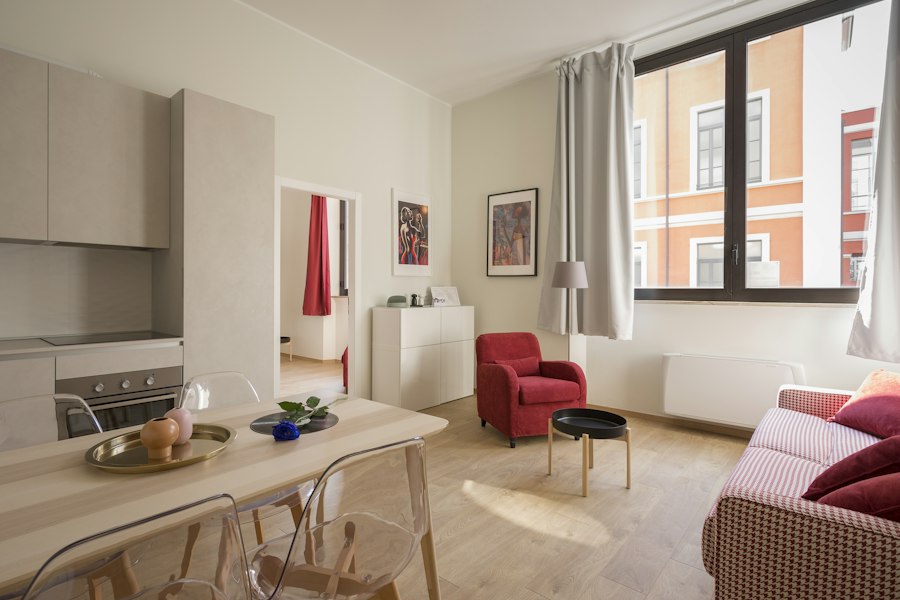
Inside the home: the room-by-room checks
Start with what is expensive to fix. Run these checks in the order of the visit:
- Damp: ceiling corners, the bottom of walls, behind furniture, bathroom seals. A musty smell as you walk in says a lot.
- Windows: single or double glazing, condition of the seals, orientation. Open them: street noise is judged with the window open, never closed.
- Electrics: a modern panel or porcelain fuses? Count the sockets in each room — fewer than three means extension leads for life.
- Plumbing: run the taps fully, flush the toilet, look under the sink. Weak pressure can hide a building-wide problem.
- Actual storage: wide-angle photos visually double the volumes. Measure what matters to you.
The building and the charges: what costs money after the purchase
The flat can be perfect and the building ruinous. Ask for the last three service-charge statements and the minutes of the owners' meetings: works already voted (roof, façade, lift) are sometimes paid years later — and you will be the one paying. A façade renovation commonly runs from 5,000 to 15,000 € per unit.
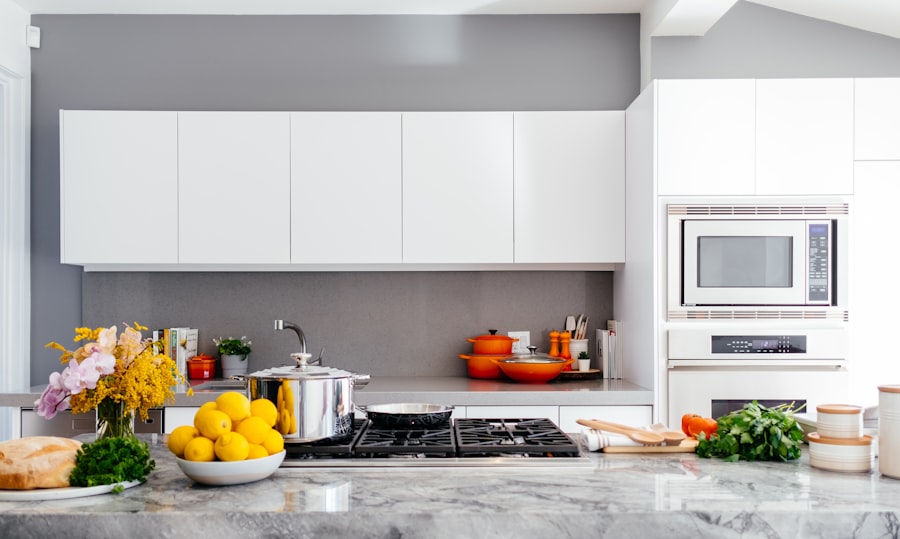
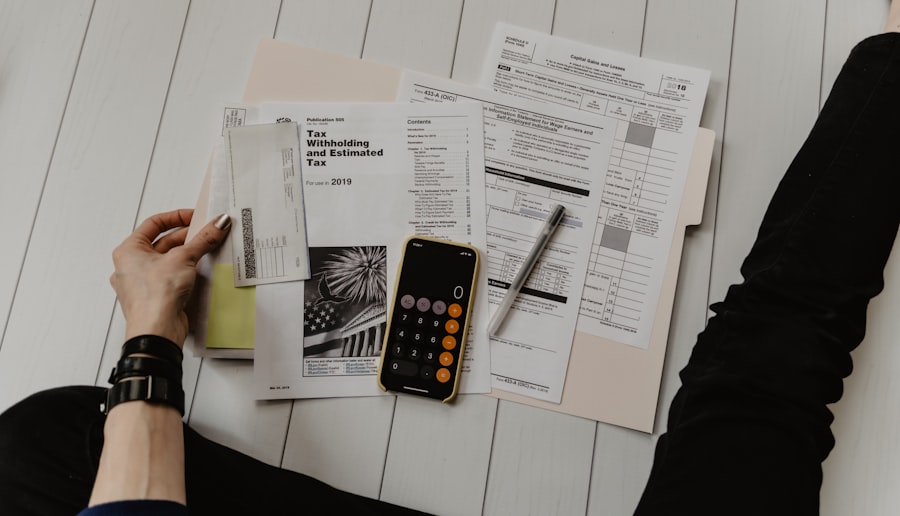
Inspect the common areas too: letterboxes, stairwell, cellar. Their condition tells you more about how the building is managed than any speech ever will.
The neighbourhood, at two different times
The calm of a Tuesday at 2pm says nothing about the same Tuesday at 7:30am, when deliveries begin and the school across the street opens its gates. Come back at a second time — ideally a weekday evening — before deciding anything. Test the actual commute to work, spot the shops, and simply listen. Ten minutes walking the block are worth every line of the description.
If you are viewing for a flatshare, the criteria shift a little: our guide to making a flatshare work covers what to check on the contract side and on the flatmate side.
The awkward questions — and why you must ask them
- Why are you selling (or why is the tenant leaving)?
- How long has the property been listed?
- What works were carried out, and with what invoices?
- Have there been water-damage claims or neighbour disputes?
- What do the surveys say (energy, electrics, lead)?
An honest seller answers plainly; a seller who dodges three questions out of five has already answered. Keep the replies inside the platform's messaging: a timestamped written record is priceless if a disagreement surfaces later. And if a listing demands any payment before any viewing, walk away and report it — our guide to avoiding scams catalogues these classic schemes.
After the viewing: decide, then negotiate
Back home, reread your notes cold and sort the flaws into three columns: cosmetic (paint), costly (windows, electrics), deal-breaking (structural damp, runaway charges). The middle column is not a reason to give up: it is a list of priced arguments for discussing the price — our method for negotiating without alienating the seller applies perfectly to property.
You now have the checklist, the question sheet and the warning signs; all that is missing is the property itself. Start your search, set an alert on your criteria, and never commit without viewing first.