Second-hand furniture: a second life without mistakes
Emma D. · Published on 7/3/2026
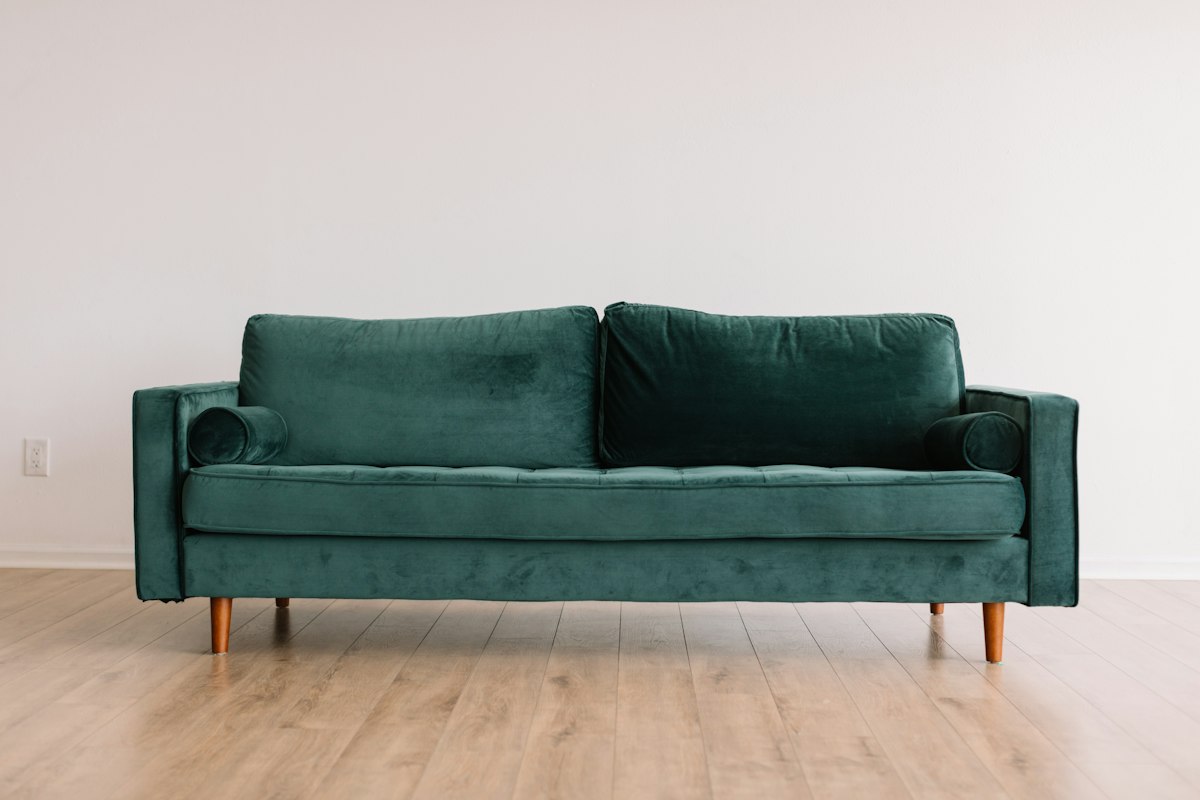
A second-hand piece of furniture means 50 to 70% off the new price on average, solid wood for the cost of particleboard, and pieces that have already proven they can last. It is also the most direct way to furnish with character: a 1960s sideboard tells more stories than a flat-pack shelf ever will.
But a sofa that will not fit through the stairwell is not a bargain: it is an 80-kilo problem. Before saying yes, three checks make the difference between a masterstroke and an impulse buy: the dimensions, the material, the transport. Here they are, in order.
Measure: the room AND the route
Measure the spot you have planned, but above all the complete route the piece will have to travel:
- Door widths (usually 73 to 83 cm) and corridors.
- The stairwell: width, ceiling height on the landings, the angle of every turn.
- The lift: depth AND diagonal — a 220 cm sofa does not fit into a 140 cm car.
Compare against the diagonal of the piece, not just its length: furniture turns corners at an angle. Sellers state the floor in their listings — read it before falling in love. Then browse the home category with your measurements saved in your phone.
Material: what can be restored, what cannot
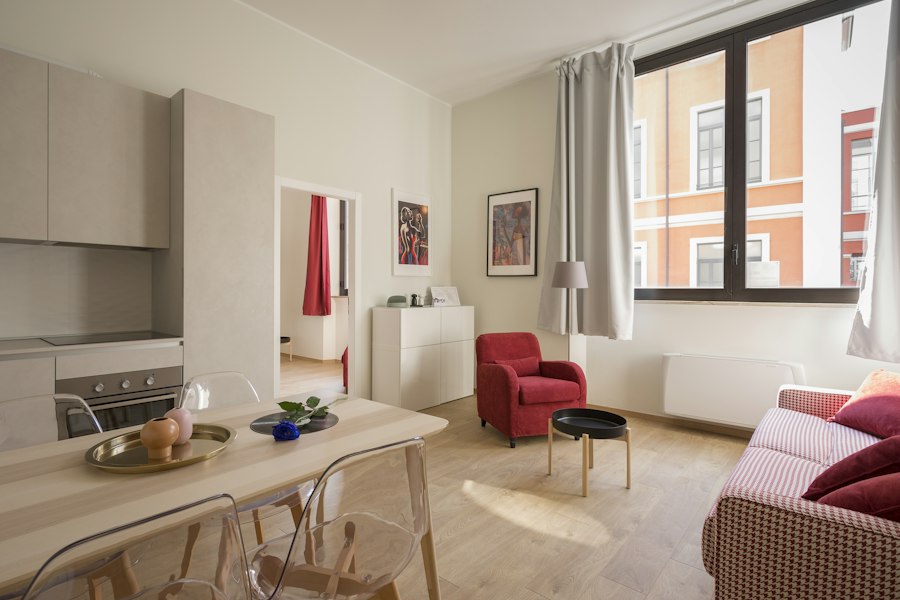
Solid wood — oak, beech, teak — sands, glues and repairs: a scratch is a weekend of work, not a death sentence. Veneer can be maintained but only sanded once, gently. Particleboard forgives nothing: one dismantling too many and the screws no longer bite.
- Open every drawer and every door: play can be adjusted, breakage cannot.
- Look for woodworm holes (2 mm, in neat lines) and fresh sawdust.
- Smell: damp and tobacco soak into wood and fabric for good.
- Push the piece diagonally: if it shifts into a parallelogram, the structure is worn out.
A special case for seating: sit down at the exact centre of the sofa, where the springs give out first. Foam that does not bounce back within three seconds never will again, and a sagging suspension is rarely repaired for less than 100 €. Fabric can be cleaned, leather can be fed — but a frame that creaks under your weight should either bring the price down or send you home.
The fair price (and the negotiation margin)
The standard discount runs at 50 to 70% off the new price for ordinary furniture — far less for old solid wood and designer pieces, which hold their value. Compare five equivalent listings and position yours by condition; the full method is in our guide to setting the right price. Every flaw you spot becomes a numbered argument: a finish to redo means 30 € of supplies and a weekend of your time. To turn those findings into a discount without straining the exchange, follow our guide to negotiating without pushing the seller away.
Transport: the real hidden cost
Plan it BEFORE accepting: van rental (40 to 80 € for a half-day), two pairs of arms, blankets and straps. A “free” wardrobe to collect from a sixth floor with no lift often costs more than a 60 € one sitting at street level. Add that cost to the asking price before judging the deal.
Organise the collection in the messaging: agree on a precise time slot, ask whether the seller can dismantle the piece in advance, and whether parking is possible in front of the building. A piece that is taken apart, labelled and waiting at the bottom of the stairs loads in ten minutes; the same one, still assembled at the back of a bedroom, can ruin an entire morning.

Give it a second life
Most flaws that scare buyers away are cosmetic, and cosmetic is cheap to fix. A tired varnish disappears under a light sanding and two coats of hard wax oil; water rings on a tabletop often lift with a warm iron over a cotton cloth; a wobbly chair usually needs nothing more than wood glue and clamps left overnight. Count 20 to 40 € of supplies for a full facelift — a fraction of the discount you negotiated for those very flaws.
Fabric is the other easy win. A worn sofa seat becomes invisible under a fitted cover; dining chairs re-upholster in an afternoon with a staple gun and two metres of fabric. Before walking away from a solid frame in ugly clothes, price the makeover: it is often the best deal on the page.
Pay and collect without risk
Inspect the piece BEFORE paying, in daylight, drawers open. For a hand-to-hand collection, keep the whole exchange in the platform’s messaging: the price agreed in writing prevents renegotiation on the doorstep. For a delivered purchase, secure payment holds the funds until you confirm reception: if the top arrives cracked, open a dispute with photos attached rather than hoping for a goodwill gesture. And never wire a deposit to “reserve” a piece for a stranger — that request alone justifies reporting the listing. The full walkthrough is in our secure payment guide.
Tape measure in your pocket, checklist in mind: the good pieces go fast. Start your search and filter by distance — the ideal piece may be ten minutes from your door.