Used watches: authenticate before buying
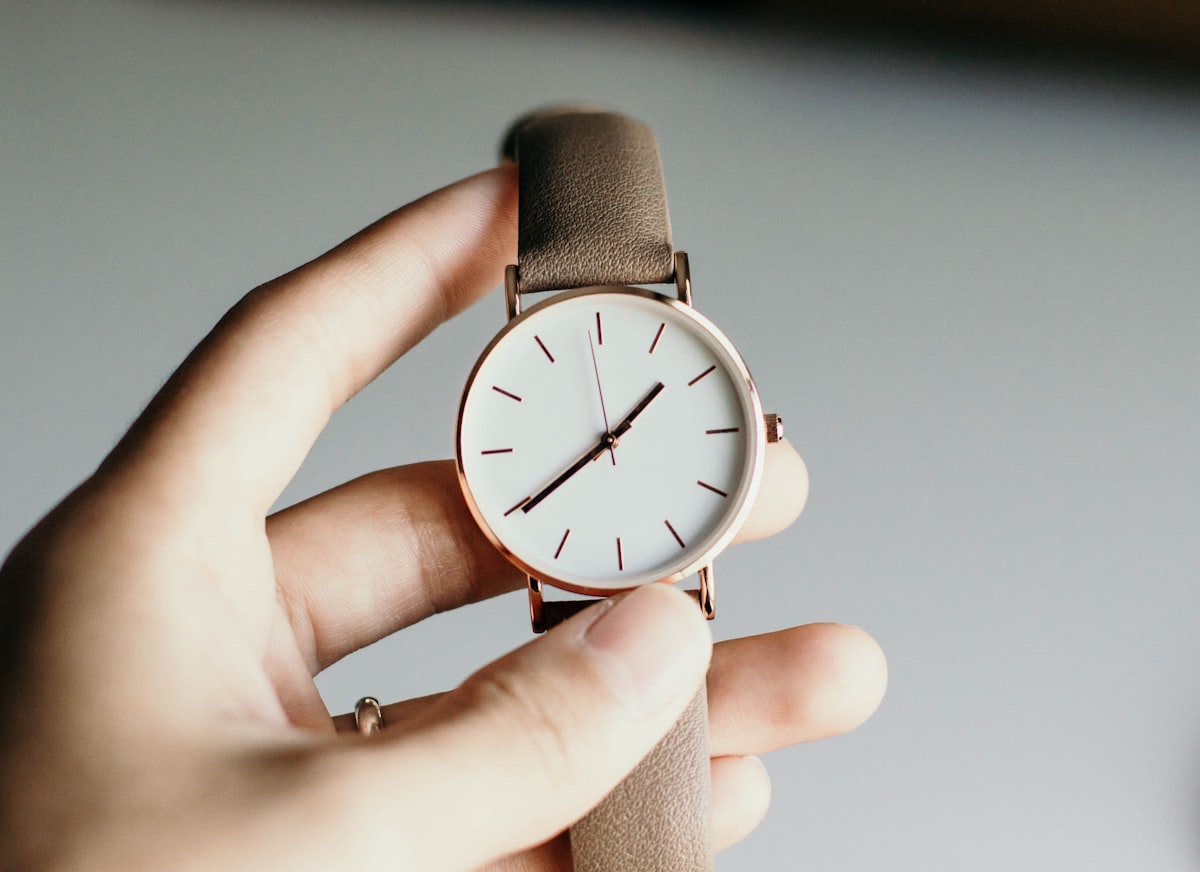
The second-hand watch market is one of the most rewarding corners of the classifieds: mechanical pieces that last for decades, depreciation that puts references unaffordable new within reach, and genuine enthusiasts on both sides of the deal. It is also one of the most exposed: counterfeiting has become industrial, and some copies now fool a hurried eye from a metre away.
The good news: almost no copy survives a methodical check. Papers, serial number, movement, weight, the meeting, the payment — this guide walks the full verification chain, from the first message to the moment the watch changes wrists. No specialist equipment is required: only rigour, and a refusal to be rushed.
Papers first: box, certificate, invoice
Before you even look at the watch, look at what comes with it. The "full set" — original box, certificate or warranty card, purchase invoice — adds 15 to 20% to a piece's value and, above all, proves provenance. A named invoice from an authorised dealer traces the watch's history; a warranty card bearing the same serial number as the case confirms it.
A watch without papers is not automatically suspect — plenty of pieces from the 80s and 90s lost theirs — but the price must reflect it, and the rest of the check matters all the more. Ask the seller, through the messaging, for precise photos: serial number, caseback, the movement if the back is transparent. A legitimate seller provides them gladly; a flat refusal is already an answer.
The physical check, in six points
- Serial number: engraved between the lugs or on the caseback, it must match the papers exactly. Missing, polished off or illegible: walk away.
- Seconds hand: on an automatic it sweeps the dial smoothly (6 to 8 beats per second). A jerky once-a-second tick on a supposedly mechanical model betrays a cheap quartz movement.
- Engravings and printing: crisp logos, consistent typography, perfect alignment. Under a 10 € loupe, a copy shows fuzzy edges invisible to the naked eye.
- Weight: a counterfeit is almost always too light — solid steel and a mechanical movement weigh. Compare with the model's official weight, published everywhere.
- Functions: a chronograph that starts and resets precisely, a date that jumps at midnight in one motion, a crown that screws down without forcing.
- Bracelet and clasp: engraved links, a signed clasp, no play in the fit. This is often where copies cut corners.
The movement: where counterfeits fail
The heart of a watch is the hardest part to copy. If the caseback is transparent, compare the movement with reference photos of the calibre: decoration, engravings, position of the jewels. You do not need to be a watchmaker — you only need to compare two pictures. For a serious purchase, make the sale conditional on a stop at a watchmaker's bench: opening the case and checking takes minutes and costs 20 to 50 €. An honest seller accepts; one who refuses that check in your presence is telling you something.
The meeting and the payment


For a valuable piece, favour an in-person handover in a public place — some buyers even meet at a watchmaker's counter, and everyone wins. Take the time for the full check on the spot, without letting anyone hurry you: the six points above fit in ten minutes. The price is then discussed in the light of what you actually observe — scratches, an overdue service, a replaced bracelet: our method for negotiating without alienating the seller works best with the piece in hand.
For the money, protected payment holds the funds until you confirm: at a distance, it is the only reasonable way to buy a four-figure watch from a stranger. In person, it spares you from walking around with an envelope of cash.
Too-good prices and other warning signs
A reference trading at 3,000 € offered at 1,200 € is not a bargain, it is a question — and the answer is rarely good. The other signals: a seller refusing both an in-person handover and protected payment, stolen photos (a reverse image search reveals it in thirty seconds), a story built on urgency — "I'm leaving the country tomorrow". A recent profile with no history is not disqualifying on its own, but combined with a slashed price it completes the picture described in our guide to avoiding scams. Report doubtful listings: you protect the entire market.
Buy with confidence
The full check — papers, serial, movement, weight, functions — takes half an hour, preparation included. That is very little for a piece worth thousands of euros that will last for decades. The rarity of bad surprises is no reason to skip steps: it is precisely because buyers verify that the market stays healthy.
Fine pieces change wrists every day in the fashion and accessories category: start your search, set an alert on your references, and take the time to check. The perfect watch waits for the methodical buyer.