Used bikes: the checklist before buying
Cyrille P. · Published on 7/7/2026
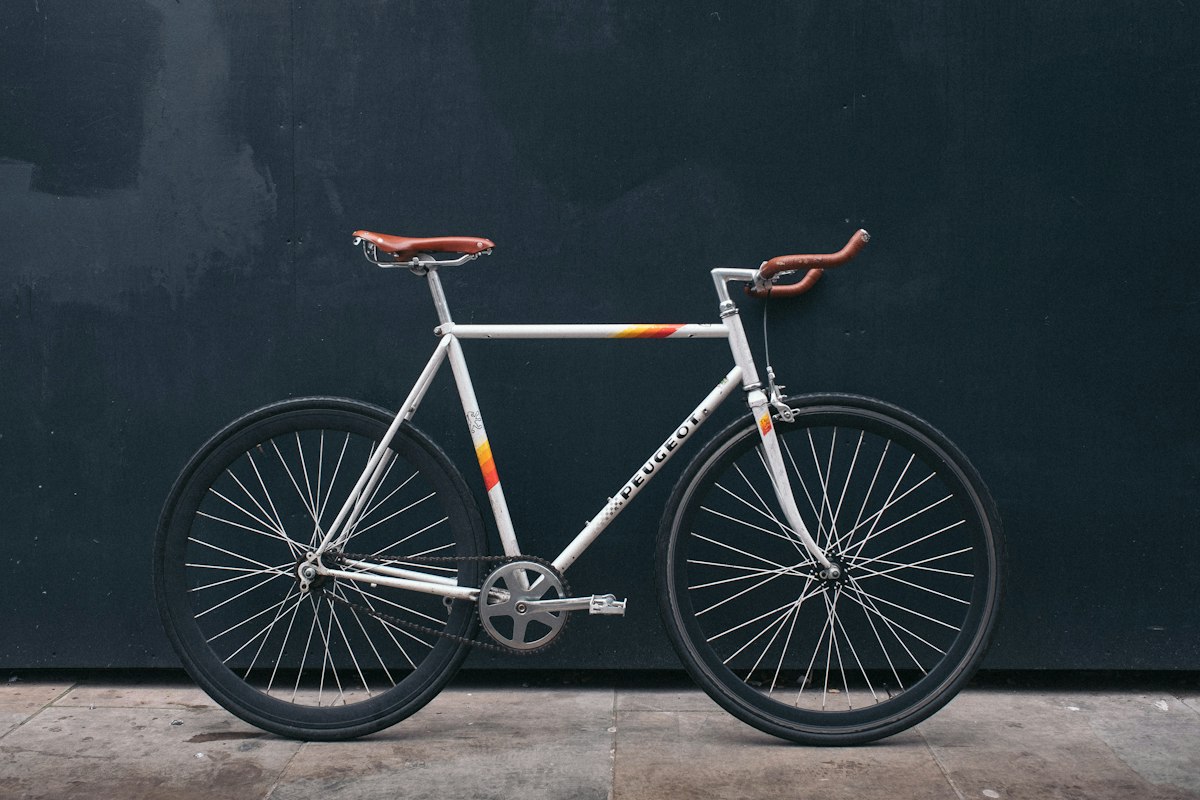
A well-chosen used bike means 40 to 60% off the new price — and often better equipment than what entry-level shop bikes offer for the same money. But the line between a great deal and a money pit comes down to fifteen minutes of checks that most buyers never take the time to do.
The numbers speak for themselves: a worn chain is 25 €; a cassette and chainrings, 80 to 150 €; a wheel beyond saving or a marked fork, sometimes more than the asking price. This guide runs the checklist in the real order of the meeting: prepare, inspect, test ride, check the provenance, then negotiate and pay safely.
Before the meeting: target and price it out
Start with the use — city, road, mountain, a child’s bike — then the size: a frame that is too big cannot be fixed, a stem can be changed. Ask the seller, in the messaging, for the brand, the exact model, the frame size and the year: those four answers let you price everything before travelling anywhere.
Then compare three to five equivalent listings in the sport category and look up the price of the model when new: a recent, well-maintained bike usually trades at 40 to 60% of that price, depending on condition and equipment. Below 30%, be suspicious; above 70%, you might as well wait for a sale on a new one.
Walking around the bike: fifteen minutes, in order
Inspect the frame first: no cracks, no blistered paint, no dents, especially around the welds and under the down tube. Lift each wheel and spin it: a buckle shows to the naked eye against the brake pads. Examine the drivetrain: surface rust cleans off, deep rust is a death sentence. Spin the pedals backwards: a regular click is normal, a grind or a tight spot is not.
- Brakes: pad thickness, cables not frayed, firm levers that never touch the handlebar.
- Headset: front brake held tight, push the bike back and forth — you should feel no knocking at all.
- Seatpost and stem: ask the seller to loosen them in front of you; a seized part can condemn the frame.
- Chain: a wear checker costs 10 € and pays for itself with the first bad purchase avoided.
The test ride: five minutes that tell everything
Ride for five minutes in real conditions: shift through every gear one by one, climb out of the saddle, brake hard in a straight line, and listen — a tired bearing is easier to hear than to see. On the flat, ease your grip on the handlebar slightly: a bike that pulls to one side is hiding a buckled wheel or an alignment problem.
A seller who refuses the test ride has a reason. Offer to leave an ID document for the duration of the loop; if the answer is still no, walk away — there are other bikes.
Provenance: do not ride away on a stolen bike
Note the serial number under the bottom bracket and ask for the original invoice or, failing that, older photos of the bike. A price 50% below the market, a hurried seller who is “selling for a friend” and knows neither the history nor the size: that cluster of clues rarely lies. When in doubt, do not buy and report the listing — reporting protects the next buyers. Our guide to avoiding classified-ad scams details all the other warning signs.


Negotiate and pay safely
Negotiate on parts, not on a hunch: a worn chain (25 €), cracked tyres (30 €), brake pads at the end of their life (15 €) add up and justify a precise discount the seller can verify for himself. Tone matters as much as the amount — our guide to negotiating without pushing the seller away gives the phrasings that land.
For a shipped bike, use secure payment: the funds are held until you confirm on reception, and if there is a bad surprise you open a dispute, photos attached. For a hand-to-hand sale, keep the whole exchange in the messaging: the price agreed in writing prevents kerbside renegotiation. The full walkthrough is in our secure payment guide.
Sound frame, convincing test ride, clear provenance: all that is missing is the bike. Start your search and keep this checklist open during the meeting — fifteen minutes of checks, hundreds of euros preserved.